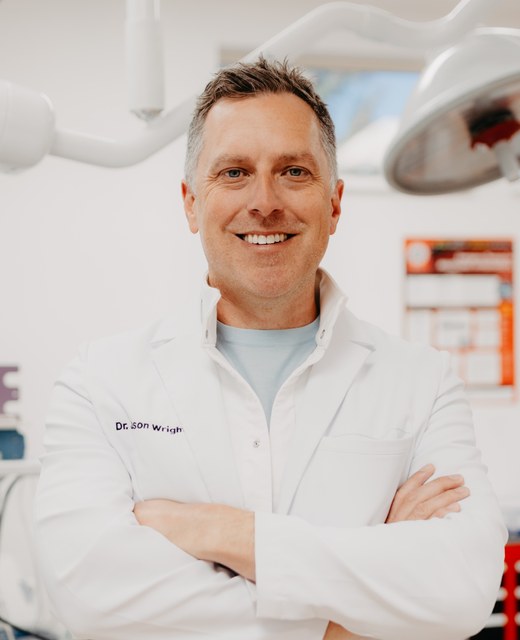
Reviewed by Dr. Jason Wright, D.O. · September 23, 2026
The science
How it works
Moves repair cells into place
TB-500 comes from thymosin beta-4, the protein that binds actin, the fibre cells use to crawl. That is how repair cells reach an injury in the first place.
Builds new blood vessels
Supports angiogenesis around healing tissue in animal studies, so the repair cells arriving have a blood supply to work with.
Calms inflammation
Lowers inflammatory signalling around injured tissue in animal models, which is part of why it is used for stiffness as well as acute injury.
Acts body-wide
Because it circulates rather than acting locally, the injection site does not need to be near the injury.
Most evidence comes from animal studies. Human studies of thymosin beta-4 in wound and eye healing have shown encouraging results.
Dosing
Your dosing plan
Dr. Wright sets your exact dose within this range at your visit.
Loading
FormSubcutaneous
Dose2–2.5 mg (20–25 units)
ScheduleTwice weekly, 4–6 weeks
Based onAnimal studies, clinical use
Maintenance
FormSubcutaneous
Dose2 mg (20 units)
ScheduleEvery 1 to 2 weeks
Based onClinical practice
Total course
Form—
DoseUp to 12 weeks
ScheduleThen reassess
Based onClinical practice
Side effects
Side effects and what to expect
Redness at the injection siteCommon · First few weeks
Rotate sites.
TirednessUncommon · After doses
Usually passes; let us know if it doesn’t.
HeadacheUncommon · First doses
Stay hydrated.
Allergic reactionRare · Any time
Stop and contact the practice.
A note from Dr. Wright
When recovery stalls, it’s often because the right cells can’t get where they need to be. TB-500 addresses exactly that. I recommend pairing it with rehab or physical therapy.
Dr. Jason Wright, D.O. · Board certified, American Board of Cosmetic Surgery
Cost & access
Getting started with TB-500
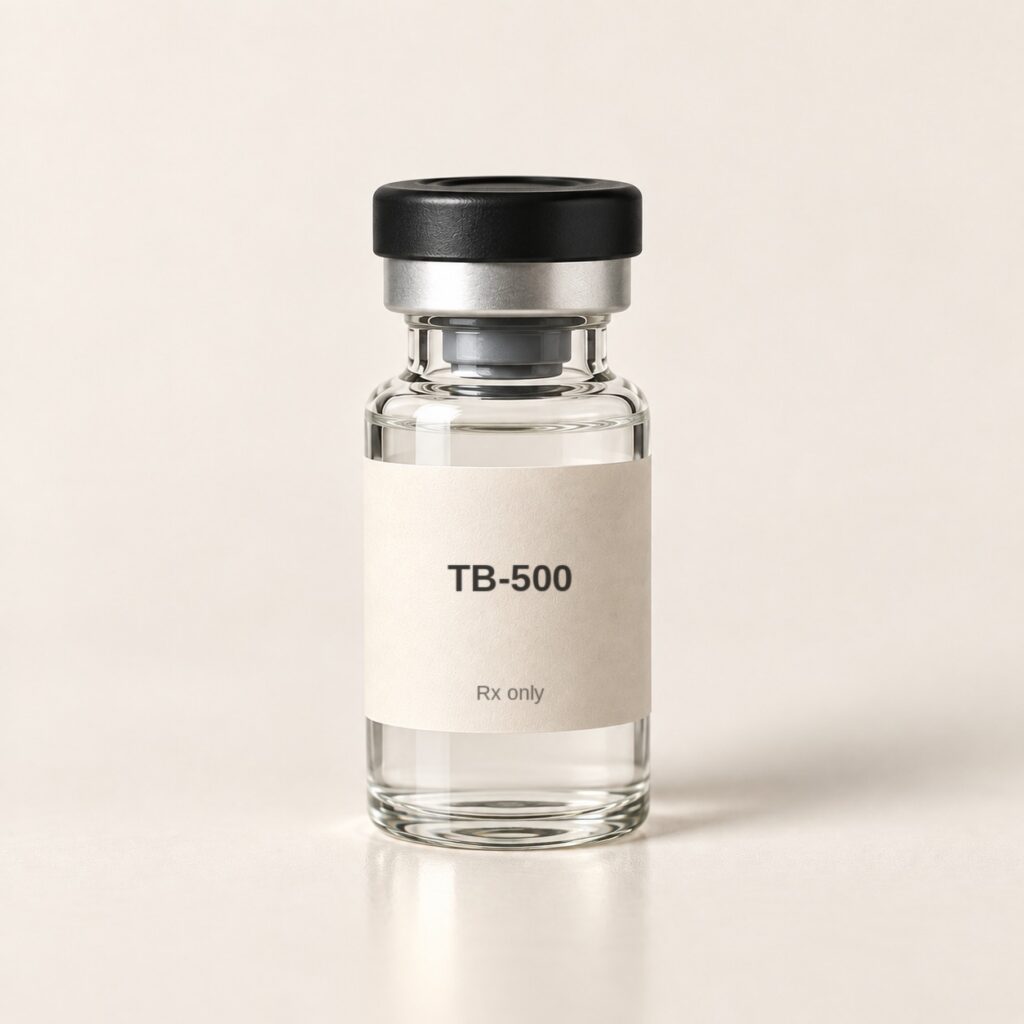
TB-500
50 mg in a 5 mL vial (10 mg/mL), ready to inject, no mixing · Labeled in your name