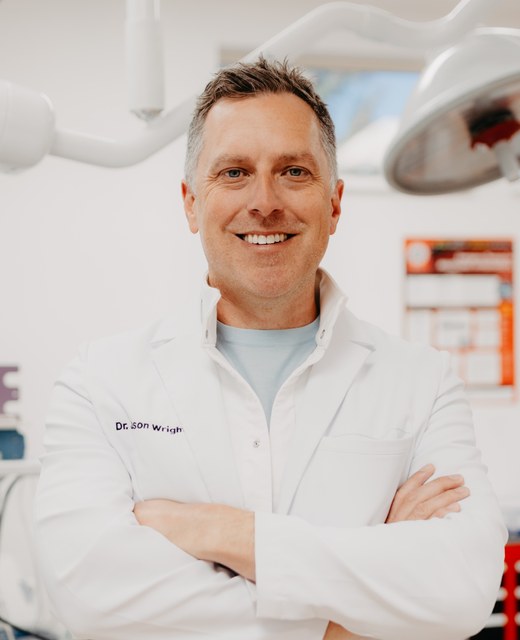
Reviewed by Dr. Jason Wright, D.O. · September 23, 2026
The science
How it works
Matures T-cells
Thymosin alpha-1 is made by the thymus, the gland that trains T-cells. It helps immature T-cells develop into functioning ones.
Works through toll-like receptors
Signals through TLR2 and TLR9 on dendritic cells, the cells that present threats to the rest of the immune system.
Balances the response
It strengthens a weak immune response rather than simply amplifying everything, which is why it is used as a modulator rather than a stimulant.
Replaces what declines
The thymus shrinks with age and produces less. Treatment aims to restore that signal.
Thymosin alpha-1 has decades of human use as an approved medication outside the U.S.
Dosing
Your dosing plan
Dr. Wright sets your exact dose within this range at your visit.
Standard protocol
FormSubcutaneous
Dose1.5 mg (50 units)
ScheduleTwice weekly
Based onApproved-dose reference
Course
Form—
Dose4 to 12 weeks
ScheduleThen review
Based onClinical practice
Approved dose (reference)
FormSubcutaneous
Dose1.6 mg
ScheduleZadaxin, outside the U.S.
Based onForeign label
Side effects
Side effects and what to expect
Redness at the injection siteCommon · First few weeks
Rotate sites.
Mild achesUncommon · After doses
Usually brief.
FatigueUncommon · First doses
Usually passes.
Allergic reactionRare · Any time
Stop and contact the practice.
A note from Dr. Wright
A strong immune system is the foundation for everything else. Thymosin alpha-1 has the longest safety record of any peptide I prescribe, with decades of use abroad behind it.
Dr. Jason Wright, D.O. · Board certified, American Board of Cosmetic Surgery
Cost & access
Getting started with Thymosin Alpha-1
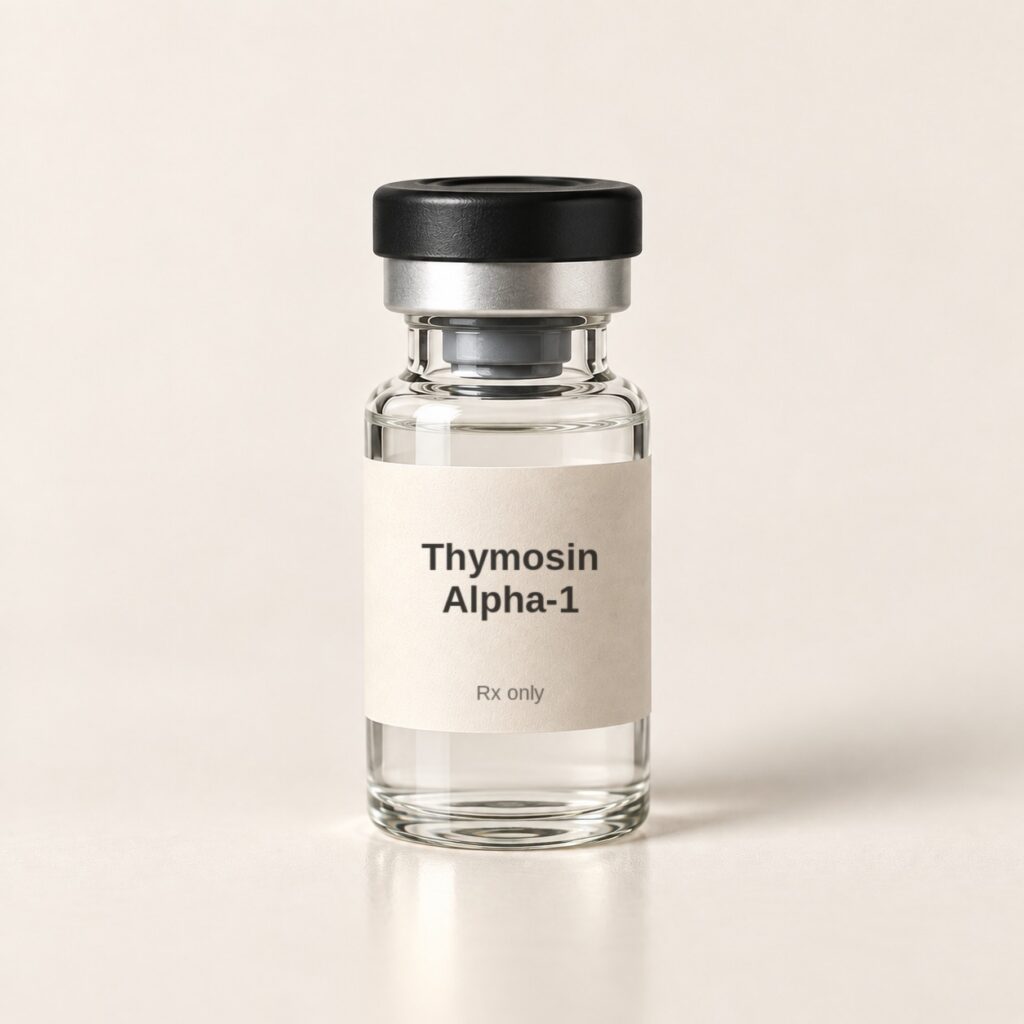
Thymosin Alpha-1
15 mg in a 5 mL vial (3 mg/mL) · Labeled in your name